1. Assessment
The team inspects the cabin, finds where fluids reached and decides what can be cleaned and what must come out.
Glasgow, MO · Howard County
One call to (877) 812-4220 starts vehicle decontamination in Glasgow. The work includes protecting the cabin, removing contaminated materials, disinfecting surfaces and treating the air inside.
If anyone is in danger, call 911 first. For a suicide crisis, call or text 988.
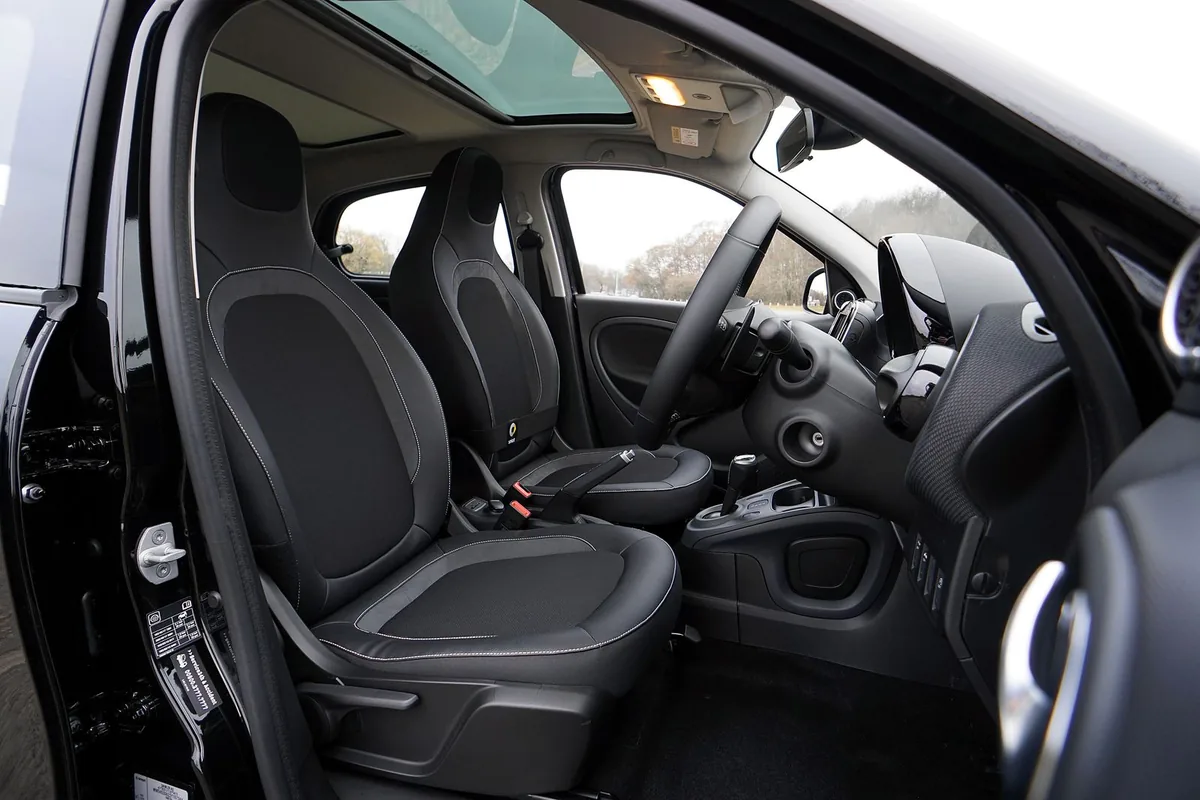
Vehicle biohazard cleanup, whether for one seat or a full cabin, follows the same pattern as work inside a building: protect, remove, disinfect, dispose and check.
You can get hazmat car cleaning and disinfection throughout Howard County, including Glasgow, by calling Glasgow Biohazard Cleanup Help. Drivers and owners call when contamination is too deep or too upsetting to deal with alone.
With about 40 inches of rain a year in Glasgow, damp air and leaks can feed mold in a contaminated vehicle that was left sitting. Anyone hurt in a vehicle incident should be seen at Fitzgibbon Hospital in Marshall or by a doctor before anyone thinks about the cabin.
Vehicle Biohazard Cleanup in Glasgow usually includes:
The team inspects the cabin, finds where fluids reached and decides what can be cleaned and what must come out.
Cleaners set up protection, seal off the working area and keep people away from the vehicle.
Contamination is removed piece by piece. Surfaces get a detailed clean followed by an EPA-registered disinfectant.
Disinfectant stays wet on every surface for the label time. The crew then checks the work and takes the waste away.
Vehicle biohazard cleanup in Glasgow, MO typically costs $500 to $5,000, depending on the size of the affected area and the materials involved.
After-hours calls and urgent timing can change the rate, since crews are pulled from other work to respond.
| Type of job | Typical range |
|---|---|
| Vehicle biohazard cleanup | $500 - $5,000 |
Published ranges only (BioCleaners Directory); every vehicle biohazard cleanup job in Glasgow is priced after an on-site look. Price drivers include type of interior materials, how serious the event was, time since the event, air system decontamination. Questions? Call (877) 812-4220.
Ask who can release it before cleanup starts. Cleaners can usually begin once the vehicle is released to the owner or an authorized person. Ask the cleanup company about timing once the vehicle is released.
Yes. Waste is lifted with protection, soaked materials are removed and surfaces are disinfected. Urine travels deep into foam, so seats may need to be taken out or replaced if the smell remains.
It usually means the interior was contaminated by blood, body fluids or similar material, and cleaning or repair is needed. Insurers and sellers may use the phrase when a vehicle was exposed to hazardous contamination.
Yes. Blood can carry bloodborne pathogens such as hepatitis B and HIV. Dried blood can still be hazardous, and enclosed cabins hold odor. That is why the area is cleaned with protection and disinfected.
A vehicle where a death occurred is cleaned only after law enforcement or the medical examiner releases it. The team removes contaminated materials, disinfects and treats odor, which can settle into seats, headliner and vents.
Yes, in most cases. Hard surfaces and many seats can be cleaned and disinfected. Foam, carpet and padding that soaked through are usually removed, because blood and odor stay in them.
Discreet biohazard car cleaning for drivers and businesses.
Call (877) 812-4220